
The work I needed to do
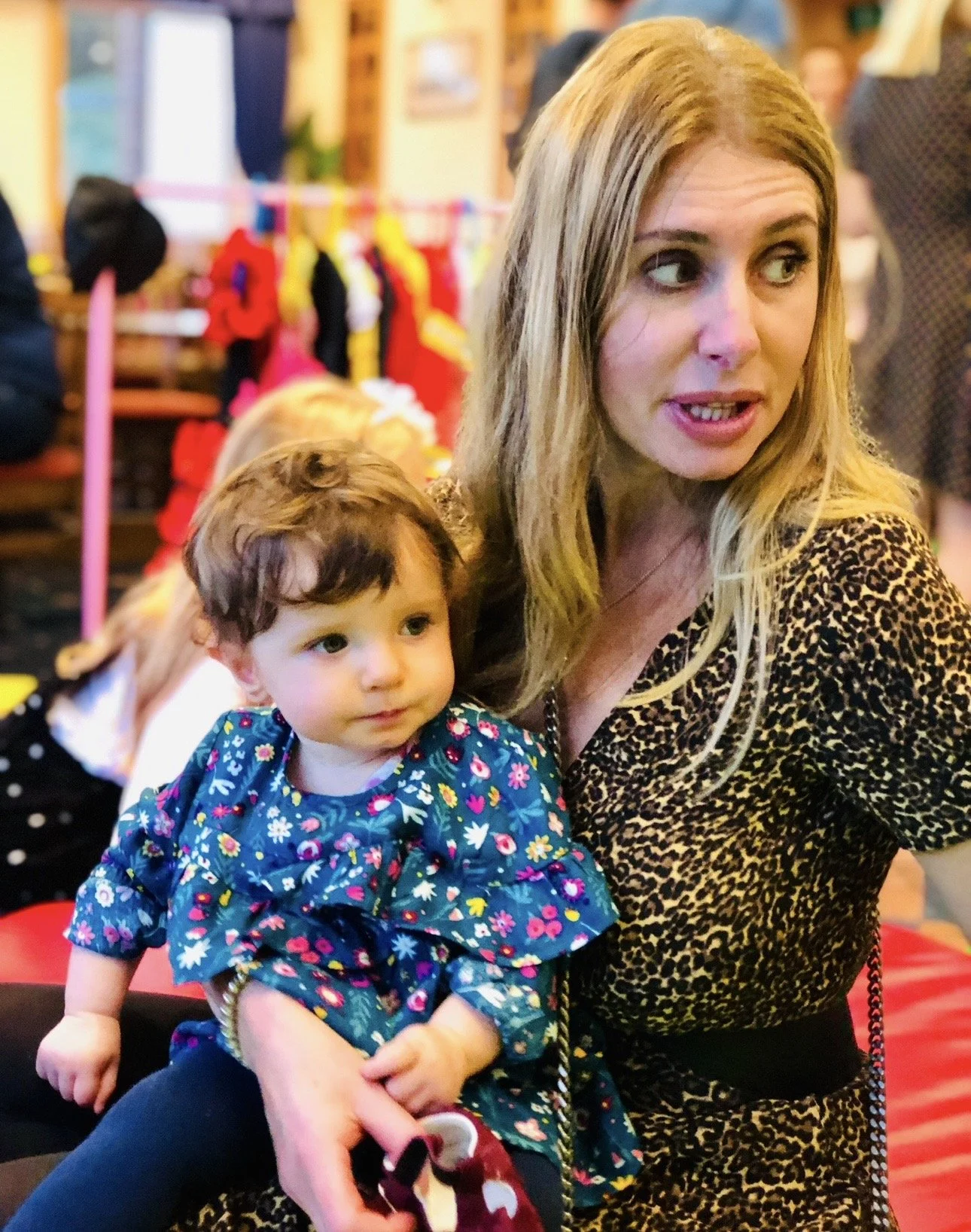
The look on my face tells the story here
I’m not quite sure where to start with this story.
Perhaps that’s because I have so many personal experiences of perimenopause.
And because, since I began coaching in 2012, I’ve witnessed the journeys of countless women navigating the same confusing, life-changing territory.
For years, I thought I understood what was happening to me.
Then I realised I was living through several overlapping experiences at once: hormonal change, trauma, anxiety, exhaustion, grief, motherhood, physical pain and a body that had been trying to get my attention for a very long time.
When my body began speaking
My story began to change when I was 40
I went for what I thought would be a routine operation to investigate my fertility. Instead, I discovered that I had an underactive thyroid, which helped explain the exhaustion I had been experiencing.
The operation also revealed endometriosis and a fibroid. Suddenly, the extreme pain I had tried to ignore for most of my life had an explanation.
But having an explanation does not necessarily mean having the support, language or understanding to process what is happening.
My mum helped me enormously. She was an ex-ward sister and had undergone a hysterectomy at 48. Through our conversations, I began to understand more about women’s bodies, reproductive health and the life stages we are often expected to navigate quietly.
Even then, I didn’t fully understand that perimenopause would become part a major part of my story.
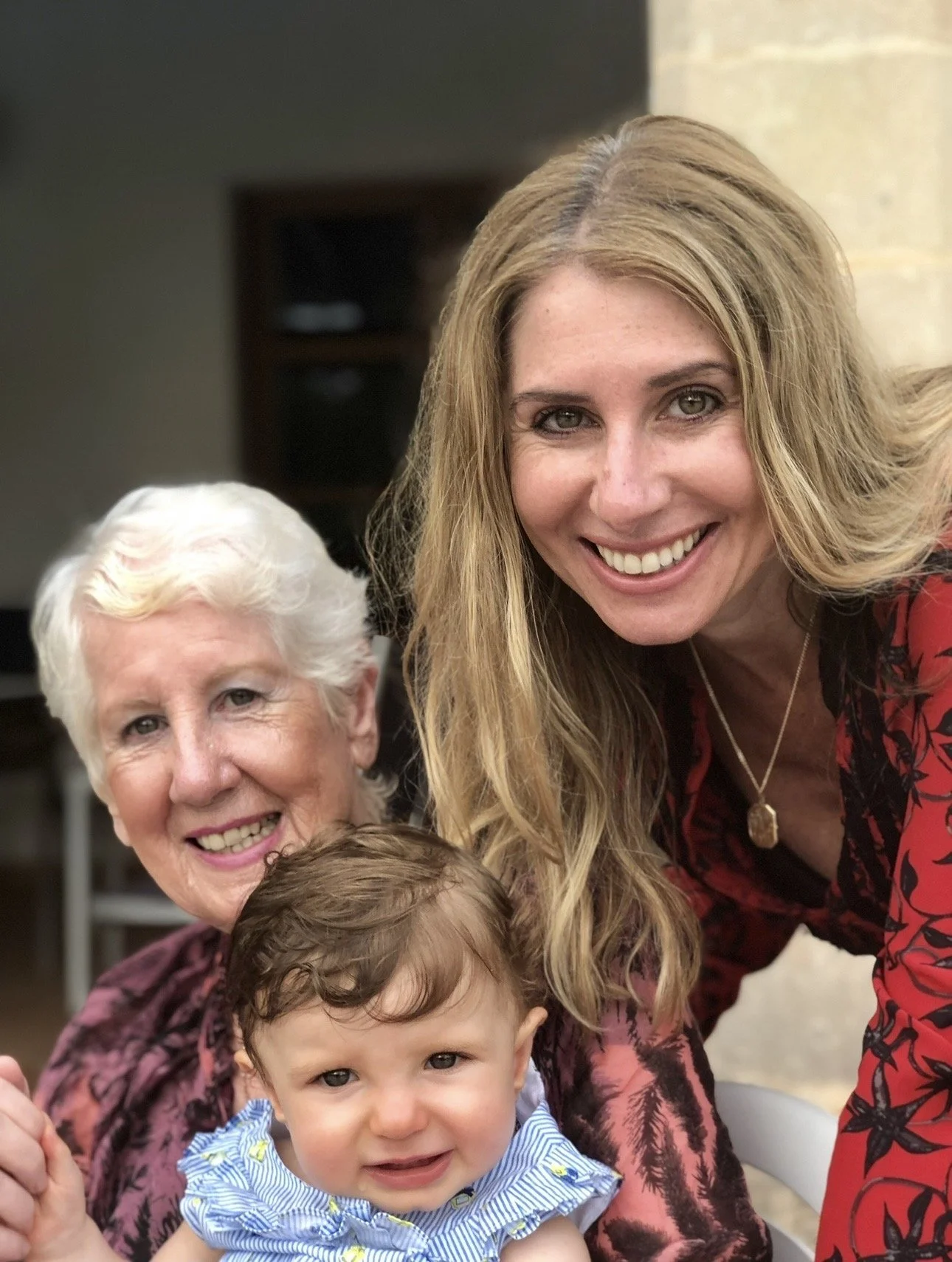
Motherhood, love and fear
When I had my baby at 43, exhaustion hit me hard - I knew I had to push through and I did just that.
The pregnancy and birth had been traumatic, and I was diagnosed with PTSD. I was deeply in love with my baby. She had arrived at the right time, and the love and joy I felt were like a tonic.
At the same time, I was incredibly tired and anxious. I remember wondering: What exactly is wrong with me?
I knew it wasn’t postnatal depression, but I was experiencing intrusive thoughts about safety. I worried about falling down the stairs. Later, this developed into a fear of white transit vans - what if I was abducted?
Children’s playgrounds began to feel like danger zones. My husband took over the park trips where he could, but sometimes they were unavoidable.
These fears were real in my body and the recovery was really tiring.
For a long time, I thought I was dealing with the aftermath of trauma, the demands of motherhood and an overactive nervous system- these were all factors but not the full picture.
The truth was more complicated
A significant part of my experience was perimenopause and I underestimated the impact. I was freewheeling in a vehicle that felt like the wheels were coming off.
My nerves were completely frazzled. I was showing up externally with a smile on my face. Internally the experience of daily life, felt like living in a battle ground - not every day but enough to make me want to control my surroundings. I lived in a cocoon for a long time.
Looking back at this time, it is completely natural to be struggling, it wasn’t about fixing myself it was about taking time to heal, which is what I ended up doing.
The missing piece
I only really began to get a handle on my experience - body, mind and life journey in my late forties.
What helped me most was learning how to regulate my nervous system and using EFT tapping to move some of the tension and trauma out of my body. I worked with three amazing mentors* and I subsequently extended my coaching offering to include Akashic Records healing journeys and EFT.
This wasn’t about pretending everything was fine.
It was about learning to listen differently.
To recognise that my body wasn’t betraying me.
It was communicating. Around this time, I began working more consciously in the menopause field.
Looking back, I can see that menopause had always been a key part of my work with women
The women I supported were often in the perimenopause, menopause or postmenopause phases. They were navigating anxiety, burnout, disconnection, loss of confidence, changing identities and the feeling that they had somehow lost access to their own voices.
My work was already helping women regulate, reconnect with themselves and reclaim their power.
I simply began to see the pattern more clearly.
Fourteen years of witnessing women
My work emerged from a pattern I first noticed at the beginning of my coaching practice in 2012.
Beneath the overwhelm, anxiety, burnout and disconnection, the common thread was often perimenopause and menopause. Life-changing phases that affect every part of a woman’s body, mind and life, yet remain misunderstood and under-supported.
Since then, I’ve created women’s circles, transformative workshops and online courses. I’ve worked with women individually and collectively, and developed long-term, values-aligned partnerships with organisations that want to support women at every level of leadership.
I’ve witnessed women arrive feeling exhausted, invisible or disconnected from themselves.
I’ve watched them find language for what they were experiencing.
I’ve seen them move from survival into clarity, confidence and choice.
I’ve seen them connect to their body wisdom and feminine energy.
And I’ve also seen what happens when organisations overlook the reality of women’s lives.
Creating what I needed
Eventually, I realised I wanted to create the support I had needed myself.
The tools were already present in my work: nervous system regulation, embodied coaching & leadership, EFT tapping, Reiki healing, women’s circles, honest conversation, leadership development and reconnecting women with their power and voices.
I wanted to bring these strands together and strengthen them. To create something that addressed not only the obvious symptoms, but the deeper experience underneath them.
Because hot flushes matter. Sleep disruption matters. Physical symptoms matter.
But for many women, the emotionally charged experiences take up even more space: the anxiety, rage, exhaustion, shame, invisibility, loss of confidence and fear that they are no longer themselves.
These are the places products cannot always reach. This is where deeper support is needed.
That work has become The Menopause Advantage™
It is a programme for women and organisations that recognises menopause as more than a health issue. It is a leadership, retention, wellbeing and performance issue, too.
The programme is designed to help organisations co-create:
• Empowered women.
• Resilient teams.
• Thriving businesses.
It supports women to move from breaking point to breakthrough by naming what is really happening and creating the conditions for them to stay, lead and thrive as themselves.
It positions women in midlife as mentors, role models and top talent.
Because once you manage your symptoms, something else becomes possible.
You discover greater clarity, wisdom, influence and self-trust. You may become more willing to speak honestly, set boundaries, make decisions and lead without apologising for your needs or your experience.
The work beyond symptom management
This is why I don’t see menopause support as simply helping women manage symptoms so they can return to business as usual.
What if the goal was not to help women become better at tolerating environments that deplete them?
What if the goal was to create workplaces - and lives - where women can bring their full intelligence, experience and voices?
The offer
I combine deep executive coaching expertise with embodied, womb-centred tools that reconnect women to their bodies, worth and power. As a certified M-Powerment Coach and brand ambassador for CanesMeno, I partner with global brands to support women leaders to thrive in business and in life.
The Menopause Advantage™ is the culmination of 14 years of fieldwork, personal experience and witnessing what becomes possible when women are properly supported.
It is the work I needed. It is the work I have seen women need.
If you would like to share a supportive conversation with me, let’s talk.
*Thank you to my amazing mentors and guides, Helen House, Jane McCampbell Stuart, Brynne Dippell.